The Best Time of Year to Pave a Driveway in New England
· By Gaughan Land & Property Services
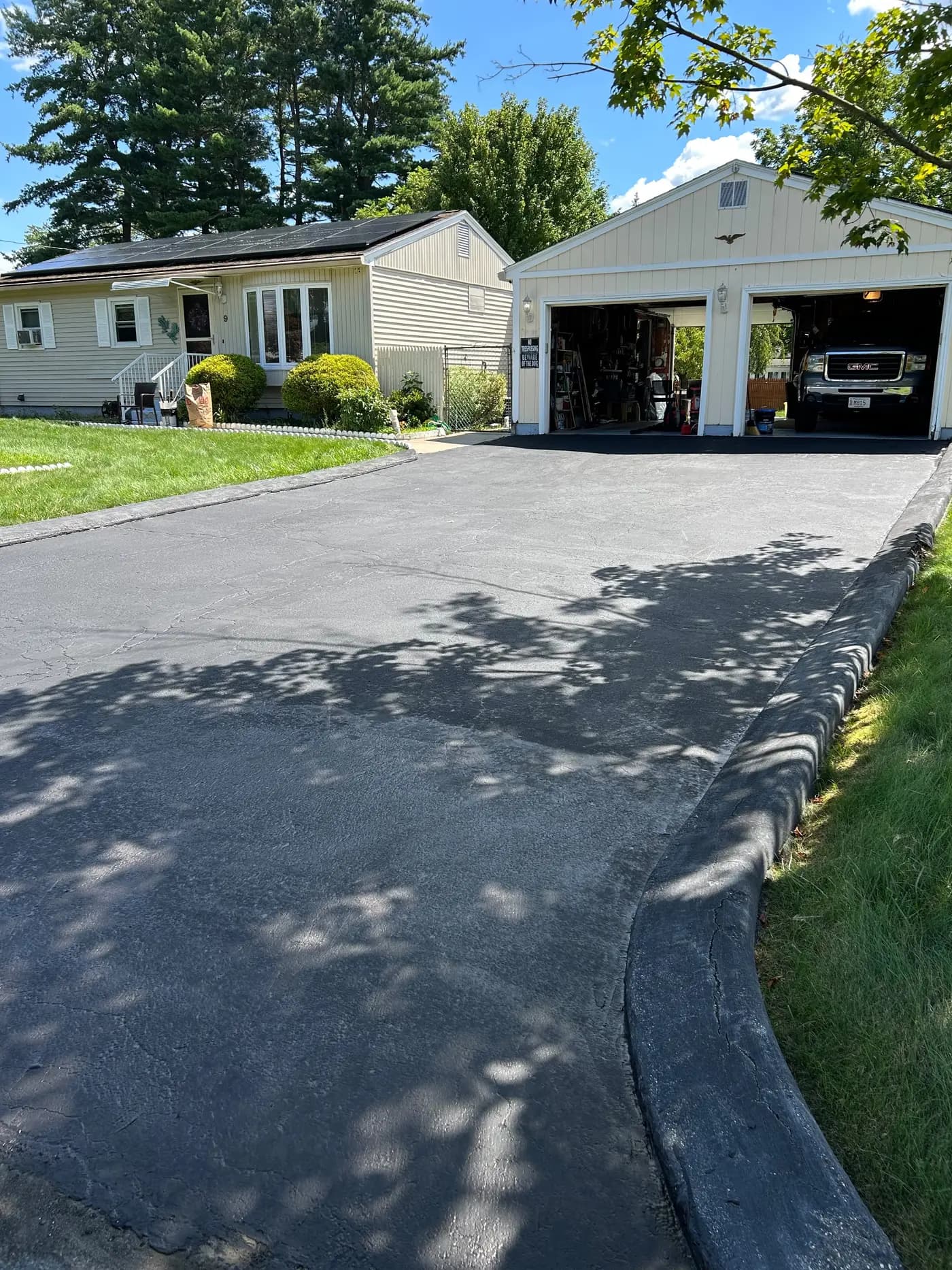
If you own a home in Ludlow or anywhere across Hampden County, you already know New England weather does not do anything halfway. The same climate that gives us bright summers and colorful falls also puts real stress on a driveway, and the season you choose to pave in has a direct effect on how well that asphalt cures, bonds, and holds up over the years.
The short answer to the best time to pave a driveway in Western Massachusetts is late spring through early fall, when air and ground temperatures stay warm enough for asphalt to compact properly. The longer answer depends on the specific window, how far ahead you book, and how the weather behaves that week. Below we break down each season so you can plan your project with confidence.
Why Temperature Matters So Much for Asphalt
Hot mix asphalt leaves the plant somewhere around 275 to 300 degrees Fahrenheit, and it has to be laid and compacted while it is still hot. Compaction is what removes air voids and locks the aggregate together, and that is what gives a driveway its strength and smooth finish. Once asphalt cools below roughly 185 degrees, the window to compact it closes fast.
When the air and the ground underneath are cold, fresh asphalt loses heat much quicker. A crew paving on a chilly day is fighting the clock, and the result can be poor compaction, a rougher surface, and a driveway that fails earlier than it should. Warm conditions give the crew time to grade, lay, and roll the material correctly, which is exactly why season timing is not a small detail.
Spring: A Solid Start Once the Ground Warms Up
In Western Massachusetts, spring paving usually becomes reliable from mid to late spring, once overnight temperatures stop dipping near freezing and the ground has thawed and dried out. Paving too early, while the base is still soft from snowmelt and frost heaves, can lead to an unstable foundation no matter how good the asphalt is.
The upside of spring is that you get ahead of the busy summer rush and your driveway is ready to enjoy all season. The tradeoff is that spring in New England is unpredictable, with wet stretches that can push a start date. If you are aiming for spring, staying flexible on the exact day helps a lot.
Summer: The Peak Window for Paving
Summer is generally the ideal time to pave a driveway in our region. Warm air, warm ground, and longer daylight all work in your favor, giving asphalt the best possible conditions to cure and compact. This is why paving crews across Ludlow, Springfield, Chicopee, and the surrounding towns stay busiest from roughly June through August.
The one thing to watch in summer is that fresh asphalt stays soft for a while as it cures, and extreme heat means it takes longer to firm up. That is easy to manage by keeping vehicles off the new surface for the time your contractor recommends. Because summer is peak season, it also fills up fast, so booking early is the smart move.
Fall: A Strong Window Before the Cold Sets In
Early fall is often an excellent time to pave. Temperatures are still warm enough for proper compaction, the summer rush has eased, and the cooler air can actually make the crew's job more comfortable. Many homeowners in Belchertown, Wilbraham, and Palmer choose fall specifically to have a finished driveway heading into winter.
The catch is that the window narrows quickly. As New England moves toward late fall, daytime highs drop and paving conditions tighten. Once nighttime temperatures fall consistently and the ground gets cold, quality paving becomes difficult. If fall is your target, aim for early in the season rather than pushing your luck against the first frost.
Why Winter Paving Almost Never Works Here
Winter is the season to avoid for new asphalt in Western Massachusetts. Cold ground, frozen or unstable base material, and freezing air all work against proper compaction. Asphalt laid in the cold hardens before it can be rolled correctly, which leaves air voids, weak spots, and a surface that is far more likely to crack and crumble within a year or two.
Most reputable local plants also reduce or stop hot mix production in the deep cold, which limits availability. If your driveway is failing during the winter months, the practical move is usually a temporary patch to get through the season and a proper full paving job scheduled for spring or summer.
Book Ahead to Get the Window You Want
Because the reliable paving season here really runs from late spring through early fall, quality contractors book up during those months. Homeowners who wait until they have a problem often find that the best crews are scheduled weeks out, especially at the height of summer.
The simplest way to land the timing you want is to reach out early and get on the calendar before peak demand. Gaughan Land & Property Services serves Ludlow and the surrounding Hampden County towns, and getting an estimate on the books ahead of time means your project can be slotted into the ideal weather window rather than whatever is left. You can reach the team at (413) 519-8514 for a free estimate.
Planning Around Weather Delays
Even in the right season, paving is weather dependent. Asphalt should not be laid on a wet base or during rain, because moisture interferes with the bond and compaction. That means a scheduled day can slide when a storm rolls through, which is normal and actually a sign your contractor is protecting the quality of the work.
The best approach is to treat your paving date as a target with a little built-in flexibility. A good local crew watches the forecast closely and will move the job a day or two rather than pave in conditions that would compromise the result. A short delay for good weather is always worth it.
Sealcoating: A Separate Timing Question
Sealcoating is not the same as paving, and it has its own schedule. New asphalt needs time to cure before it gets its first seal coat, and rushing that step can trap material and cause problems. A common guideline is to wait several months to about a year after paving before the first sealcoat, though your contractor should confirm the right timing for your driveway.
For sealcoating itself, warm and dry conditions matter just as much as they do for paving. Late spring through early fall is the practical window in our region. After that, ongoing sealcoating every few years helps protect the surface from water, freeze-thaw cycles, and the wear that New England winters bring.
What to Ask Your Paving Contractor
Before you commit to a date, a few questions will tell you a lot about the crew you are hiring. Ask how they prepare and grade the base, since a driveway is only as strong as what is underneath it. Ask what asphalt thickness they recommend for your use, and how they handle drainage so water runs off instead of pooling.
It is also fair to ask about their weather policy, how long you should stay off the fresh surface, and when they would recommend the first sealcoat. Clear answers to these questions signal a contractor who does the job right. For homeowners across Ludlow, South Hadley, East Longmeadow, Hampden, Granby, and the wider area, a free estimate is the easiest first step toward a driveway that lasts.
Frequently asked questions
- What is the best time of year to pave a driveway in New England?
- Late spring through early fall is the best window in Western Massachusetts. Warm air and warm ground let asphalt compact and cure properly. Summer is peak season, while early fall is a strong option before the cold arrives.
- Can you pave a driveway in winter?
- It is not recommended in our climate. Cold ground and freezing air prevent proper compaction, which leads to weak spots and early cracking. If a driveway fails in winter, a temporary patch and a spring or summer paving job is usually the better plan.
- How much does it cost to pave a driveway?
- Driveway paving costs vary widely based on size, thickness, base condition, and site access, so figures should be treated as general market ranges. The most accurate way to know is a free on-site estimate for your specific driveway.
- How long should I stay off a newly paved driveway?
- Fresh asphalt needs time to cure, especially in warm weather when it stays soft longer. Your contractor will give you a specific timeframe for foot traffic and vehicles based on conditions, so follow their guidance to protect the surface.
- When should I sealcoat a new driveway?
- Wait for the new asphalt to cure first, commonly several months up to about a year, then sealcoat during warm, dry weather. After that, resealing every few years helps protect the surface from New England freeze-thaw cycles.
Related services
Serving
Found this helpful? Make us a preferred source on Google.
Ready for an exact price?
Get a free, no-pressure in-home estimate. Real numbers for your home, not a phone guess.