How Much Does Exterior House Painting Cost in Massachusetts? (2026 Guide)
· By Gaughan Land & Property Services
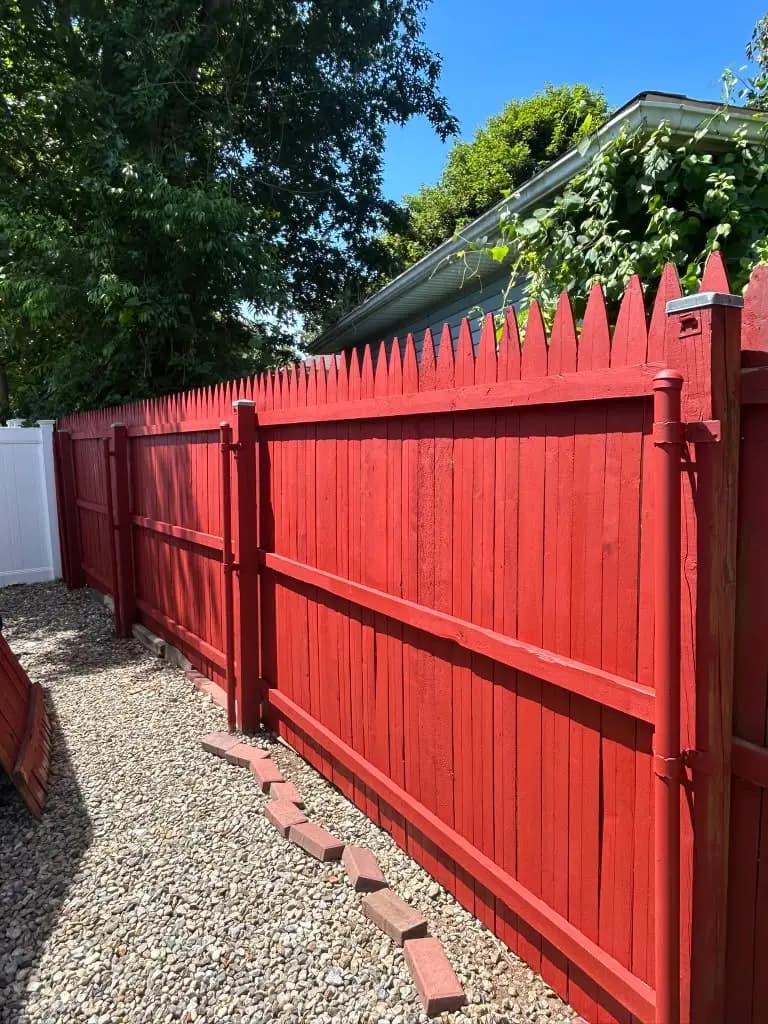
If you are staring at peeling clapboards and wondering what a fresh coat is going to cost, you are asking the right question at the right time. Exterior house painting cost in Massachusetts depends on a handful of things you can actually see and measure, so once you understand what drives the number, the quotes you get will start to make a lot more sense.
This guide walks through typical 2026 price ranges for homes across Western Massachusetts, from Ludlow and Springfield out to Wilbraham and Belchertown, and explains what makes one house cost more than another. Every figure here is a general market range, not a fixed price, so treat it as a planning tool and always confirm the real number with a free estimate on your specific home.
Average Exterior Painting Cost Per Square Foot
Most exterior painting in Massachusetts is priced by the square footage of the home and the amount of surface that actually needs coating. As a general market range, homeowners tend to see somewhere around $2.00 to $6.00 per square foot of living space, though the real driver is the wall area, trim, and detail work rather than the interior footprint alone.
Put in whole-home terms, a smaller single-story ranch often lands in a lower band, a typical two-story colonial sits in the middle, and a large home with lots of gables, dormers, and trim reaches the upper end. Because siding condition and prep can swing the total significantly, the per-square-foot figure is best used as a rough starting point rather than a promise. A walkthrough is the only way to pin down where your home falls.
The Main Factors That Move the Price
Siding type matters a lot. Smooth vinyl or aluminum takes paint quickly, while wood clapboard, cedar shingle, and stucco need more coats, more attention, and more labor. Rough or highly textured surfaces simply use more paint and more brush time.
Height and access change the number too. A single-story home is quicker and safer to reach than a two or three-story house that requires ladders, staging, or scaffolding. The more setup and safety equipment a job needs, the more labor hours it carries.
Prep is often the hidden line item. Scraping, sanding, caulking, filling, and spot-priming can take as long as the painting itself on an older home. A house with sound siding needs far less prep than one with widespread peeling or rot, and that difference shows up directly in the estimate.
Paint Grade and How Many Coats You Need
Paint quality is a real cost lever. Premium exterior acrylics cost more per gallon than budget lines, but they hold color, resist fading, and last longer in New England weather. On a full house the paint itself is a smaller share of the total than labor, so stepping up to a better product is usually worth it for the added years of protection.
Coat count also affects the price. A simple color refresh over a sound, similar shade may need one coat plus touch-ups, while a dramatic color change, bare wood, or badly weathered siding typically calls for a primer plus two finish coats. More coats mean more material and more labor, so the color and condition you start with both matter.
Interior, Exterior, and Whole-House Projects
Exterior work is priced differently from interior because of the extra prep, weather windows, and access equipment involved. Interior painting is generally quoted by room or by square footage of wall and ceiling, and it is not directly comparable to an exterior number even on the same house.
If you are considering both at once, many homeowners find it more efficient to bundle projects while a crew is already mobilized and set up. Combining exterior painting with related outdoor work, such as power washing beforehand or refreshing a deck, can reduce repeat setup time. The best way to compare a room-by-room plan against a full-home refresh is to have both scoped in a single estimate so the trade-offs are clear.
New England Climate: Why Timing and Prep Pay Off
Western Massachusetts puts real stress on exterior paint. Hard freezes, spring thaws, humid summers, and driving fall rain all work at the surface, and homes near the Chicopee and Connecticut River corridors can see extra moisture. Paint that is applied over a properly prepped, dry surface simply lasts longer here.
Timing helps too. Late spring through early fall gives the steadiest temperatures and lower humidity for proper curing, which is why crews book up in those months. Planning ahead not only protects the finish, it also gives you more scheduling flexibility before the busy season fills in.
Why Prep and Primer Are Worth Paying For
A cheap quote often means thin prep, and in this climate that is where paint jobs fail early. Washing off dirt and mildew, scraping loose paint, sanding rough edges, caulking gaps, and priming bare or stained spots are what let the finish coat bond and stay put through Massachusetts winters.
Primer earns its place in specific situations: bare wood, big color changes, stains that bleed through, and previously unpainted surfaces. Skipping it to shave the estimate usually costs more later when the coating peels ahead of schedule. When you compare bids, look closely at how much prep each one actually includes, because that is often the real difference between two very different numbers.
How to Get an Accurate Quote
The most reliable estimates come from an in-person walkthrough. A contractor should measure the home, note the siding type and condition, flag any repairs, confirm the number of coats, and specify the paint product being used. A quote built on those details is far more dependable than a phone number pulled from square footage alone.
Ask each bidder to itemize prep, primer, coats, and product so you are comparing the same scope, not just the bottom line. If you own a home in Ludlow, Wilbraham, or nearby, the simplest next step is to request a free estimate so you get a real number for your exact house instead of a generic range. You can reach Gaughan Land & Property Services at (413) 519-8514 to set that up.
Frequently asked questions
- How much does it cost to paint the exterior of a house in Massachusetts?
- As a general 2026 market range, exterior house painting in Massachusetts often runs about $2.00 to $6.00 per square foot of living space, which puts many homes in the low-to-mid thousands and larger or more detailed homes higher. Siding type, height, prep, and paint grade all move the number, so a free on-site estimate is the only way to get an accurate figure for your home.
- What makes one exterior painting quote higher than another?
- Usually it comes down to prep and scope. A lower bid may include less scraping, sanding, caulking, and priming, or fewer coats, while a higher bid may cover more thorough prep and a premium paint. Ask each contractor to itemize prep, primer, coats, and product so you can compare the same work rather than just the total price.
- How long does exterior paint last in New England?
- With proper prep and a quality product, a well-applied exterior finish commonly lasts several years before it needs attention, though wood siding, sun exposure, and moisture can shorten that. Good surface preparation and correct timing during the drier months are the biggest factors in how long the coating holds up through Massachusetts winters.
- When is the best time of year to paint a house exterior in Massachusetts?
- Late spring through early fall generally offers the steadiest temperatures and lower humidity for proper curing, which is why crews book quickly in those months. Planning ahead gives your paint the best conditions to bond and gives you more scheduling flexibility before the peak season fills up.
- Should I power wash before painting?
- Yes, in most cases. Washing off dirt, chalk, and mildew helps the new paint bond and prevents premature peeling. Many homeowners bundle power washing with exterior painting so the surface is clean and ready, which can also reduce repeat setup time when the same crew handles both.
Related services
Serving
Found this helpful? Make us a preferred source on Google.
Ready for an exact price?
Get a free, no-pressure in-home estimate. Real numbers for your home, not a phone guess.