Interior vs Exterior Painting: How to Plan Your Home Project
· By Gaughan Land & Property Services
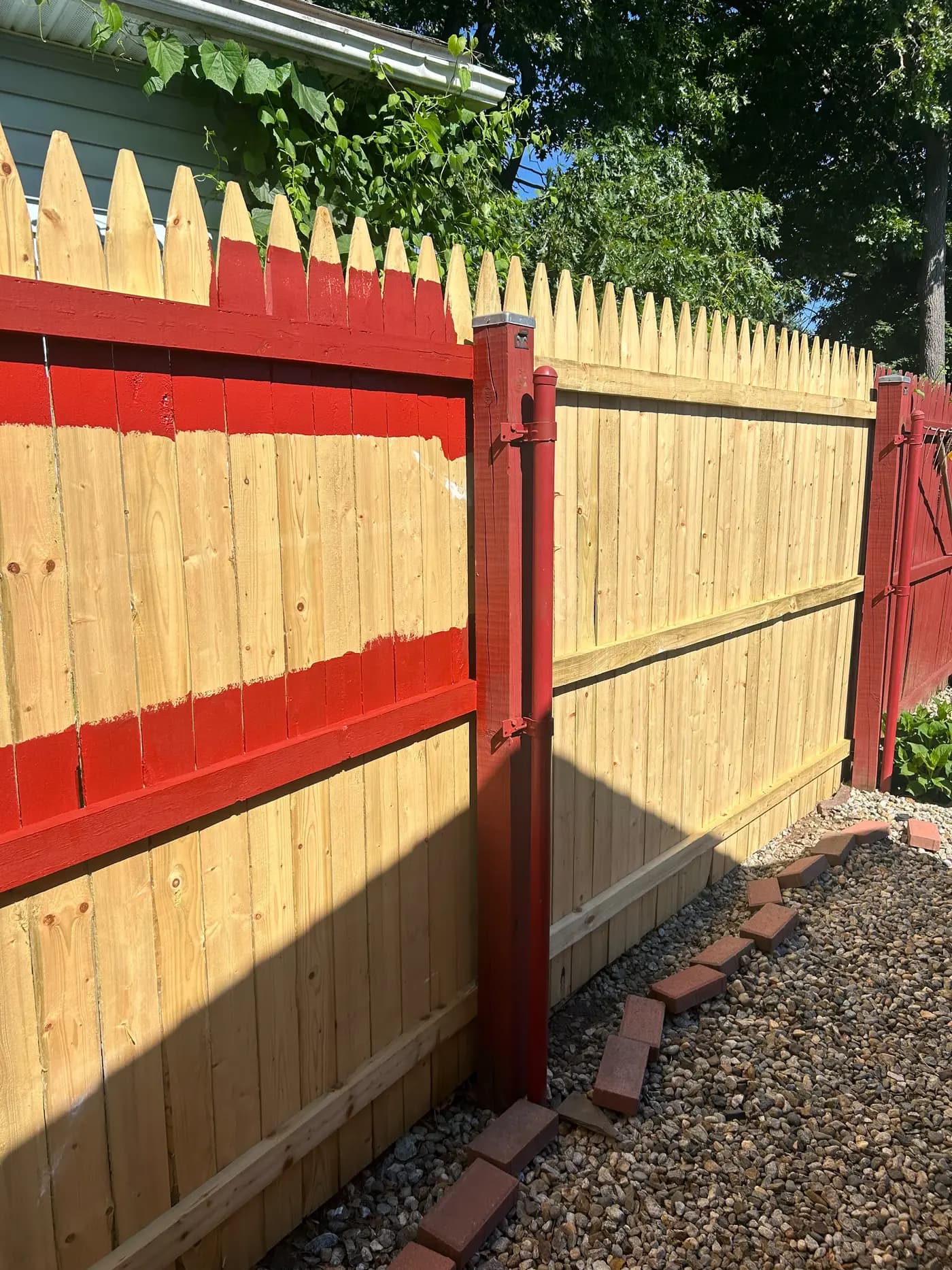
Interior vs exterior painting sounds like one project split in two, but the two jobs follow very different rules. The surfaces behave differently, the weather matters in different ways, and the paint you choose for a living room would fail fast on your siding. If you own a home in Ludlow or anywhere across Hampden County, understanding those differences up front helps you plan the timing, the budget, and the order of the work so nothing gets wasted.
This guide walks through what actually changes between the inside and the outside of your home, why New England weather forces certain choices, and how to sequence a full refresh so you are not repainting the same wall twice. Whether you are freshening one room or tackling the whole house, a little planning saves real money and real headaches.
The Key Differences at a Glance
Interior painting is a controlled environment. You set the temperature, you control the humidity, and rain never touches the work. The main challenges are protecting furniture and floors, cutting clean lines around trim, and managing fumes while people still live in the house. The finish gets judged up close, in daylight and lamplight, so smooth coverage and clean edges matter more than raw durability.
Exterior painting is a battle against the elements. Sun, rain, freeze and thaw cycles, and temperature swings all attack the coating from day one. The prep is heavier, the paint is engineered to flex and resist moisture, and the whole job depends on a stretch of cooperative weather. Exterior work protects the structure itself, not just the look, so skipping steps here can cost you far more down the road.
How Prep Work Differs
Inside, prep is about cleanliness and protection. Walls get washed where needed, nail holes and cracks get filled, glossy surfaces get lightly sanded so paint grips, and everything nearby gets masked or covered. Good interior prep is mostly patience: taping edges, laying drop cloths, and priming any patched or stained spots so the color goes on even.
Outside, prep is structural. Old flaking paint has to be scraped and sanded, bare wood needs priming, and gaps around trim and windows get caulked to seal out water. Power washing is usually the first step to strip off dirt, mildew, and chalking so the new coat can actually bond. On homes across Western Massachusetts, that mildew and grime buildup from humid summers and long winters is common, which is why a thorough wash before painting is not optional.
Best Season for Each in New England
Interior painting can happen almost year round because you control the indoor climate. The main thing to watch is ventilation. In the colder months you still want some airflow to help the paint cure and clear fumes, so cracking a window and running a fan helps even when it is cold out. Many homeowners in Ludlow and the surrounding towns schedule interior work in fall and winter precisely because the outdoor season is closed.
Exterior painting has a real window in our region, roughly late spring through early fall. Most exterior paints need daytime temperatures consistently above the mid 50s and dry conditions for proper curing, and you want to avoid painting when overnight temperatures drop too low or when rain is in the forecast. In Hampden County that practical window tends to run from May into October, though an unusually warm or cold stretch can shift it. Planning exterior work early in the season gives you the best odds of a clean, dry run.
Paint Types and Durability
Interior paints are formulated for appearance and easy cleaning rather than weather resistance. You will choose a sheen based on the room: flat or matte hides wall imperfections in bedrooms and living rooms, eggshell or satin holds up in hallways, and semi gloss or gloss handles the scrubbing that kitchens, bathrooms, and trim demand. Low odor and low VOC options are widely available and worth asking about when the house stays occupied during the work.
Exterior paints are built to move and to shed water. They flex as siding expands and contracts through temperature swings, resist fading from UV, and fight mildew. The right product depends on your surface, whether that is wood clapboard, vinyl, fiber cement, brick, or metal, and each takes a specific approach. Because exterior coatings take such a beating, quality here directly affects how many years you get before the next repaint.
Timeline and Disruption
Interior projects move room by room and disrupt daily life more directly, since the work happens where you live. A single room might take a day or two including prep and drying between coats, while a full interior can stretch over one to two weeks depending on size and how much patching is involved. Planning around which rooms you can live without helps keep the household running.
Exterior projects are usually longer on the calendar but less disruptive inside. A typical house exterior can run several days to a couple of weeks depending on size, condition, and the amount of scraping and repair needed. Weather delays are the wild card: a rainy stretch can pause the job, so building in some schedule flexibility during the outdoor season is smart.
What Drives the Cost
For both interior and exterior work, the biggest cost drivers are the same three things: the amount of surface area, the condition of what you are painting, and how much prep it needs. A home with peeling paint, rotted trim, or heavy patching takes more labor than a sound surface that just needs a refresh. Height and access also matter outside, since second and third stories and steep rooflines call for more equipment and time.
Pricing varies widely by project, so treat any number you see online as a rough market range rather than a quote. Exterior jobs often carry higher prep and equipment costs, while detailed interior work with lots of trim, doors, and color changes adds labor inside. The only accurate way to budget is a walkthrough of your specific home. Gaughan Land and Property Services offers free estimates across Ludlow and the surrounding towns, and you can reach us at (413) 519-8514.
How to Sequence a Whole-Home Refresh
If you are updating both the inside and the outside, let the weather set the order. Book the exterior work for the warm, dry stretch of the year, then plan interior rooms for the cooler months when the outdoor window has closed. That way each part of the project happens in its ideal season and neither one waits on the other.
It also pays to bundle related work. Power washing before an exterior repaint doubles as a cleanup for walkways, decks, and fencing. If you are already refreshing the outside of the home, it is a natural time to look at concrete, driveway paving, or landscaping so the whole property comes together at once. Planning the sequence up front avoids trampling finished areas and lets one crew coordinate the flow instead of redoing access paths later.
When to Hire a Pro
A small interior touch up is well within reach for many homeowners, but the calculus changes as the job grows. High ceilings, extensive trim, color changes that need multiple coats, and any surface that needs real repair all push toward hiring help. The finish shows every shortcut, and redoing sloppy work costs more than doing it right the first time.
Exterior painting is where professional help pays off most. The prep is physical, the height introduces safety risk, and the coating has to be applied correctly and in the right weather to last. A pro brings the equipment, the surface knowledge, and the weather judgment that protect your investment. If you want a straight answer on whether your project is a do it yourself job or a call for a crew, Gaughan Land and Property Services serves Ludlow, Springfield, Chicopee, Wilbraham, and the surrounding communities, and we are happy to take a look.
Frequently asked questions
- Can I paint the interior of my home in winter?
- Yes. Interior painting works year round because you control the indoor temperature. In colder months, keep some airflow going with a cracked window and a fan so the paint cures properly and fumes clear. Fall and winter are actually popular times for interior work in Western Massachusetts since the exterior season is closed.
- When is the best time for exterior painting in Massachusetts?
- The practical window in Hampden County runs roughly from May into October, when daytime temperatures stay consistently warm and conditions are dry. Exterior paint needs those conditions to cure and bond correctly, so scheduling early in the season gives you the best chance of a dry, uninterrupted run.
- Do interior and exterior paints really differ that much?
- They do. Exterior paint is built to flex with temperature swings, resist UV fading, and fight moisture and mildew. Interior paint is formulated for a smooth look and easy cleaning rather than weather resistance. Using one in place of the other leads to early failure, so the products are not interchangeable.
- Should exterior painting come before or after interior work?
- Let the seasons decide. Book exterior work for the warm, dry months and save interior rooms for the cooler part of the year. That keeps each job in its ideal season and means neither part of a whole home refresh is held up waiting on the other.
- How much does a house painting project cost?
- It depends heavily on surface area, the condition of what is being painted, and how much prep is needed, so online figures are only a rough market range. The only accurate way to budget is a walkthrough. Gaughan Land and Property Services offers free estimates across the Ludlow area at (413) 519-8514.
Related services
Found this helpful? Make us a preferred source on Google.
Ready for an exact price?
Get a free, no-pressure in-home estimate. Real numbers for your home, not a phone guess.