How Much Does Landscaping Cost in Western Massachusetts? (2026 Guide)
· By Gaughan Land & Property Services
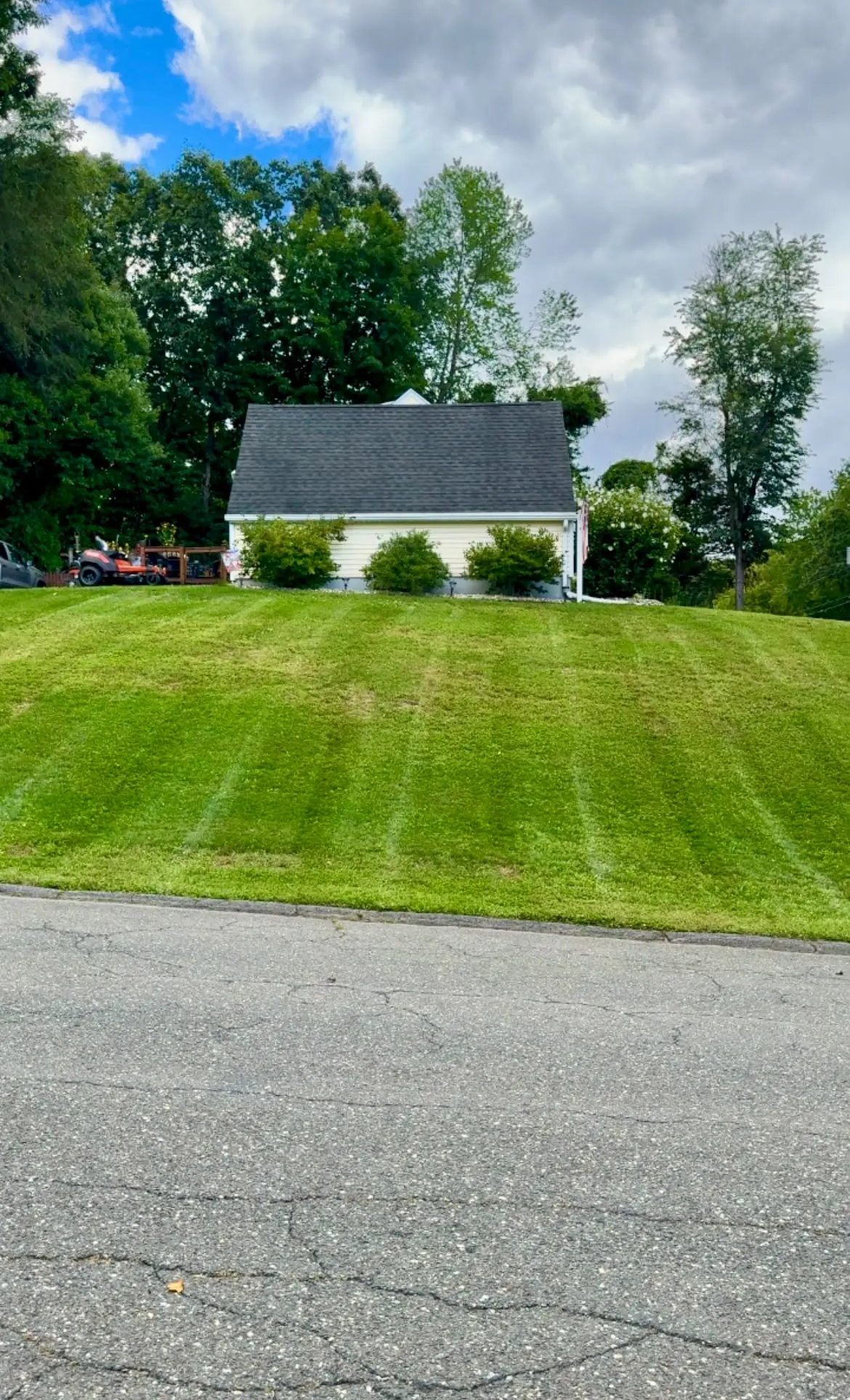
If you own a home in Ludlow or anywhere across Hampden County, one of the first questions you probably have is simple: what is this going to cost? Landscaping prices in Western Massachusetts cover a wide range because "landscaping" can mean anything from a weekly mow to a full backyard redesign with a patio and new plantings.
This 2026 guide walks through the typical price ranges you can expect in our region, what makes those numbers go up or down, and how to plan a budget that fits your property. Every project is different, so the figures below are general market ranges, not quotes. The best way to get a real number is a free on-site estimate.
One-Time Projects vs. Ongoing Maintenance
The single biggest factor in landscaping cost is whether you are paying for a one-time project or ongoing care. These are two very different budgets, and it helps to think about them separately.
Ongoing maintenance (mowing, trimming, seasonal cleanups, mulch refreshes) is usually a smaller recurring expense spread across the season. In Western Massachusetts, many homeowners budget a few thousand dollars per year for regular upkeep, depending on lot size and how much of the work they want handled.
One-time projects (a new patio, a planting bed overhaul, regrading, a retaining wall) are larger investments made once, often ranging from a few hundred dollars for a small planting job to five figures for a full hardscape build. Knowing which category your project falls into is step one in budgeting.
Common Services and Typical Ranges
Here are ballpark figures for services we see requested most often around Ludlow, Springfield, Chicopee, and the surrounding towns. Treat these as starting points, since actual pricing depends on your specific property.
Lawn care and mowing: many homeowners pay somewhere in the range of a few hundred to a couple thousand dollars per season, driven by yard size and visit frequency. Mulch installation: pricing usually reflects the cubic yards of material plus labor, so larger beds cost more. Fresh mulch is one of the most cost-effective ways to sharpen a yard's appearance.
Plantings (shrubs, perennials, small trees): cost depends on the number and size of plants, plus soil prep. Seasonal cleanups (spring and fall): typically a set visit price based on debris volume and lot size. Hardscape (walkways, patios, walls): the largest line item, priced by square footage, material, and site conditions. For any of these, a free estimate gives you a firm number instead of a guess.
Factors That Move the Cost
Two homes on the same street can get very different landscaping quotes. A few things explain the gap.
Lot size and slope: bigger properties take more time and material, and a steep or uneven yard adds labor. Access matters too, since a tight backyard that equipment cannot reach easily takes longer to work.
Material choice: natural stone costs more than pavers, and premium plants cost more than common varieties. Condition of the existing yard: overgrown or neglected properties need extra cleanup before the real work starts. Design complexity: curved beds, multiple levels, and drainage solutions all add to the total. None of these are reasons to avoid a project, they are just the details a good estimate accounts for upfront.
Seasonal Work in Massachusetts
Our New England climate shapes both the timing and the cost of landscaping. Western Massachusetts has a real winter, a short but intense growing season, and heavy leaf drop in the fall, so the work follows a predictable rhythm.
Spring is for cleanups, fresh mulch, new plantings, and getting lawns healthy after the snow. Summer is peak mowing and maintenance season. Fall means leaf removal, final cleanups, and preparing beds and plants for the cold. Because demand spikes in spring and fall, booking early often means better scheduling.
Planning around these seasons also protects your investment. Planting at the right time of year and prepping the yard before winter helps your landscaping last, which keeps long-term costs down.
Design and Install vs. Maintenance
It helps to separate the creative, build-it phase from the keep-it-nice phase, because they are priced differently.
Design and install is the upfront transformation: laying out new beds, building a patio, planting, grading, and installing features. This is where the bigger numbers live, and it is a project with a clear start and finish.
Maintenance is what keeps that investment looking good afterward: regular mowing, edging, weeding, seasonal cleanups, and mulch refreshes. Many homeowners pair a one-time install with a maintenance plan so the yard they paid to build does not slide back over time. You can absolutely do one without the other, but knowing the difference helps you budget both.
DIY vs. Hiring a Pro
Plenty of homeowners handle their own mowing and light weeding, and that can genuinely save money on routine tasks. The math changes once a project gets bigger or more technical.
DIY makes sense for simple, low-risk work: pushing a mower, planting a few annuals, spreading a bag or two of mulch. The savings are real but so is the time and the wear on your weekends.
Hiring a pro pays off when the job involves heavy material, grading, drainage, hardscape, or anything where a mistake is expensive to fix. A patio that settles wrong or a bed that drains toward the house costs far more to redo than to do right the first time. For those jobs, the professional price includes the equipment, the labor, and the experience to avoid costly errors.
How to Budget for Your Project
A good budget starts with priorities. Decide what matters most: curb appeal, a usable outdoor living space, easier maintenance, or fixing a specific problem like poor drainage or a patchy lawn.
From there, split your plan into must-haves and nice-to-haves. Many projects can be phased across a season or two, so you can start with the highest-impact work now and add the rest later. Fresh mulch and cleanups deliver a big visual change for a modest cost, while hardscape is a larger, longer-term investment.
Also budget a little cushion for surprises, since older yards sometimes reveal drainage or soil issues once work begins. A clear conversation with your landscaper upfront keeps the numbers honest and avoids mid-project sticker shock.
Getting an Accurate Quote
The ranges in this guide are useful for planning, but the only way to know your real cost is a proper on-site estimate. Photos and phone descriptions only go so far, since so much depends on the actual condition and layout of your property.
When you request an estimate, be ready to describe what you want, share any inspiration photos, and point out problem areas. A walkthrough lets us measure, check access and drainage, and give you a number you can trust.
Gaughan Land and Property Services serves Ludlow and the surrounding Hampden County towns, including Springfield, Chicopee, Wilbraham, Belchertown, Palmer, South Hadley, East Longmeadow, Hampden, and Granby. For a free, no-pressure estimate on your landscaping project, call (413) 519-8514.
Frequently asked questions
- How much does landscaping cost in Western Massachusetts?
- It depends heavily on the scope. Ongoing maintenance like mowing and cleanups is a smaller recurring seasonal cost, while one-time projects can range from a few hundred dollars for simple plantings to five figures for a full hardscape build. The ranges in this guide are general market estimates, so the best way to get a real number is a free on-site quote.
- Is it cheaper to maintain my own lawn or hire a landscaper?
- For simple, routine tasks like mowing and light weeding, DIY can save money if you have the time and equipment. Hiring a pro usually pays off for larger or technical work such as grading, drainage, and hardscape, where a mistake is expensive to redo. Many homeowners do both: DIY the easy upkeep and hire out the bigger jobs.
- When is the best time to schedule landscaping in Massachusetts?
- Spring and fall are the busiest seasons in our region. Spring is ideal for cleanups, mulch, and new plantings, while fall is for leaf removal and preparing the yard for winter. Because demand spikes during those windows, booking early usually means better scheduling and timing your project for the right growing conditions.
- What makes one landscaping quote higher than another?
- Lot size and slope, material choices, the condition of the existing yard, and design complexity all move the price. A large, sloped, or overgrown property with premium materials will naturally cost more than a small, flat yard with basic materials. A detailed on-site estimate accounts for these factors so there are no surprises.
- Do you offer free estimates?
- Yes. Gaughan Land and Property Services provides free, no-pressure on-site estimates for landscaping projects across Ludlow and the surrounding Hampden County towns. An in-person walkthrough lets us measure, check access and drainage, and give you an accurate number. Call (413) 519-8514 to schedule.
Related services
Serving
Found this helpful? Make us a preferred source on Google.
Ready for an exact price?
Get a free, no-pressure in-home estimate. Real numbers for your home, not a phone guess.